
The sales story
Is the Costa Rican tea story backed by a study?
No. The story's numbers come from a narrator, not a trial.
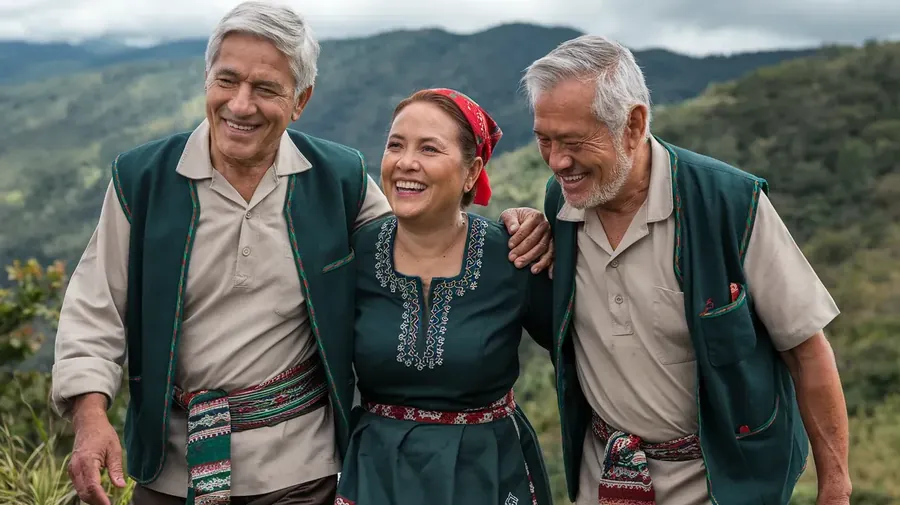
- Sales page headline'Long-forgotten Costa Rican tradition helped me melt 167 lbs'One person's story. No study, no photos we can verify.
- Volunteer group'An average drop of 20 points systolic'No published study, no control group, no sample size. Hibiscus trials average about 7.
- Weight'Average loss of 31 pounds'No published study. Weight-loss supplements show little evidence of working.
- MedicinesSays people stopped their prescriptionsNever stop blood pressure medicine without your doctor.
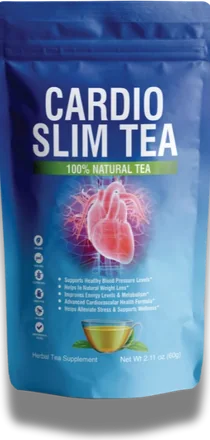
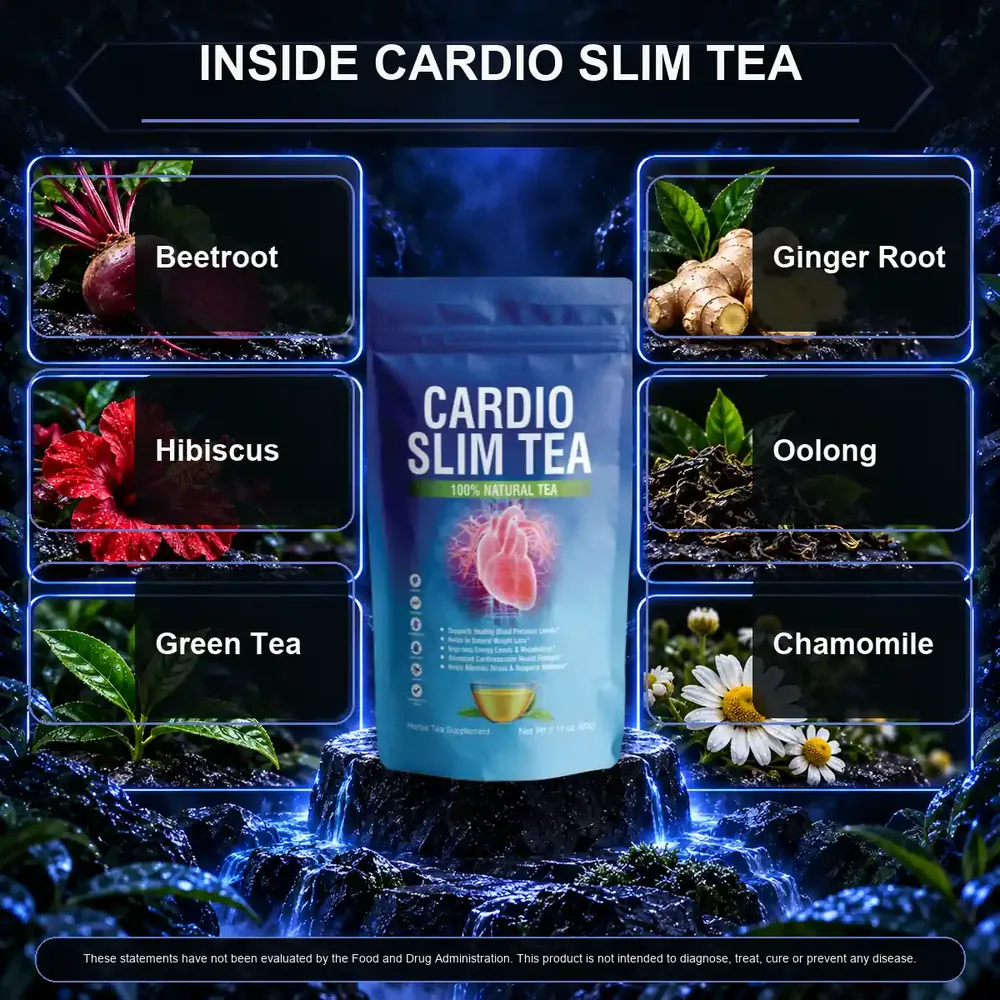
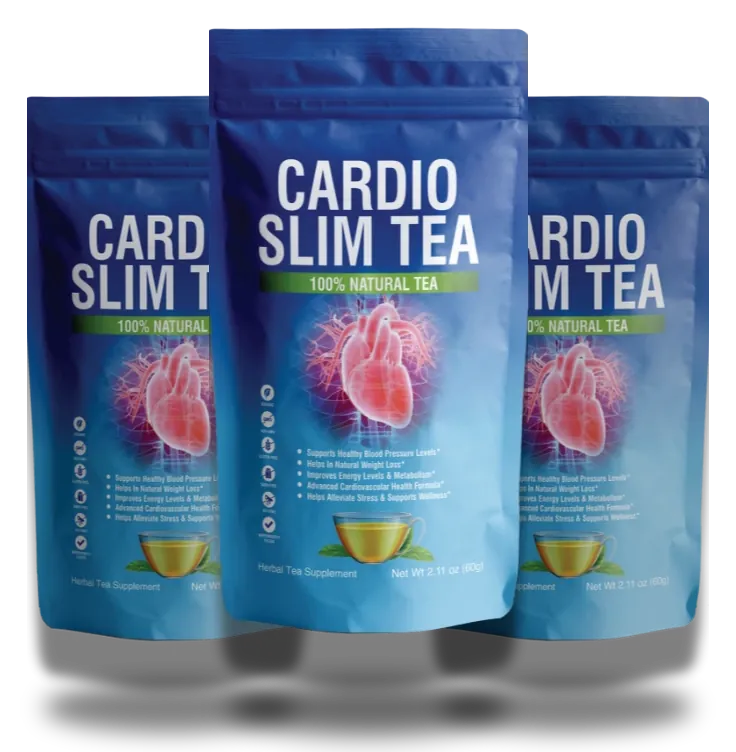
- Pouch frontFive claims, each with the FDA asteriskStructure/function wording, legally allowed with the FDA statement.
Sources: the sales page (Cardio Slim Tea sales page), hibiscus trials (Ellis 2021 - Hibiscus BP meta-analysis), NIH on weight-loss supplements (NIH ODS - Weight-loss supplements), the AHA on blood pressure medicine (AHA - Types of BP medications). In 2021 the FDA warned a tea seller that blood pressure claims make a tea an unapproved drug (FDA warning letter - TeaTaze (BP claims)).
The advertorial describes a volunteer group and its average results. It names no journal, no control group and no sample size. It also says people stopped their prescriptions, which no reader should copy.
The FTC says health claims need sound science, usually controlled human trials. A personal story is never enough, and "results not typical" does not fix a misleading one (FTC - Health Products Compliance Guidance).