Blog
Beet Nitrate Explained: From Juice Studies to a Cup of Tea
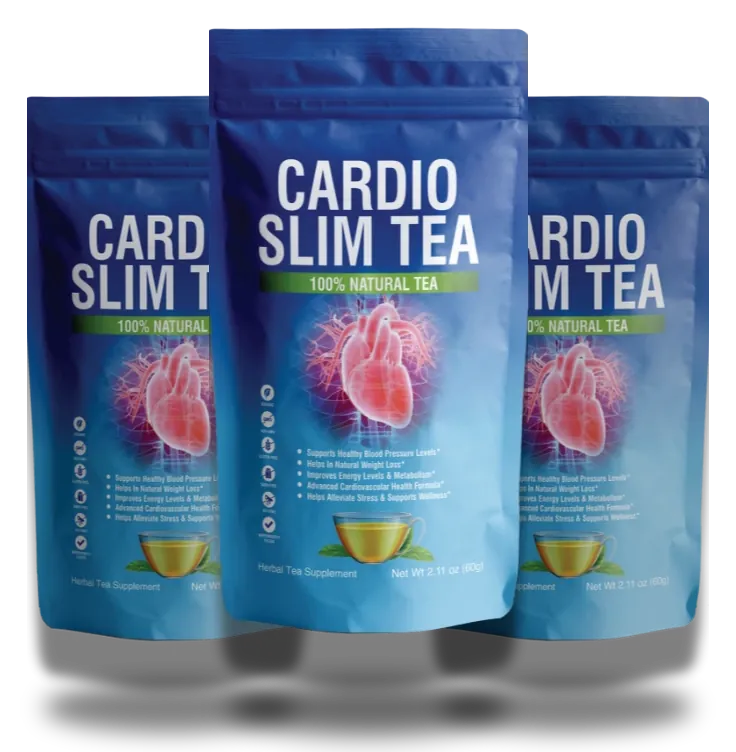
Beets are rich in nitrate, which your body can turn into nitric oxide, a gas that helps blood vessels relax. In short trials, large glasses of beet juice trimmed systolic pressure by about 3.5 to 4.4 points (Siervo 2013 - Nitrate/beetroot BP) (Bahadoran 2017 - Beetroot juice BP). Cardio Slim Tea lists beetroot, but its amount is not published, and the whole daily cup is about 2 grams of tea.
Written by the Cardio Slim Tea reading deskUpdated · 8 min read
The short version
What is beet nitrate?
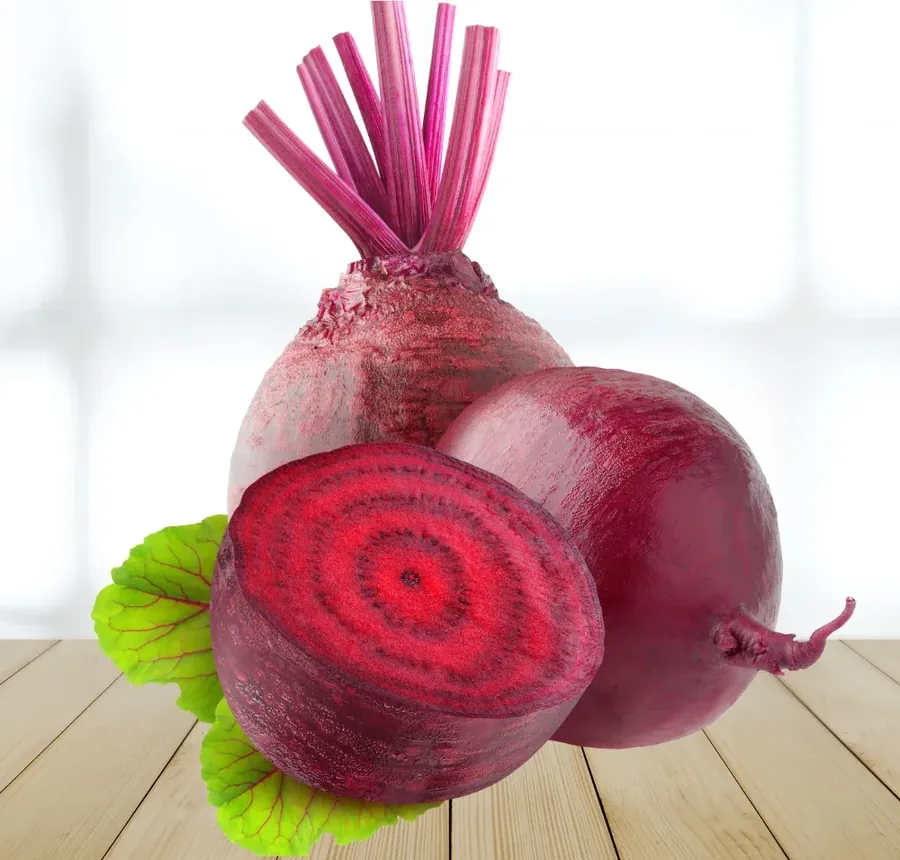
Beet nitrate is a natural compound that red beets pull from the soil. It is the same nitrate found in leafy greens, and it is the reason beets show up in blood pressure research.
Nitrate on its own does very little. The interest comes from what your body does with it. A chain of steps turns some of it into nitric oxide. That gas tells the smooth muscle in artery walls to relax.
Relaxed arteries give blood more room. In small trials, that showed up as a modest dip in the top number of a blood pressure reading. The effect was real but small, and it depended on dose.
Cardio Slim Tea names beetroot as one of its ingredients. The seller does not publish how much is in each pouch. So the useful question is not whether beets have nitrate. It is how much nitrate actually lands in your cup.
The body's chemistry
How does nitrate turn into nitric oxide?
Nitrate becomes nitric oxide through a relay that starts in your mouth. Bacteria on the tongue do a key step that your own cells cannot do well.
You eat or drink it
Nitrate from beets or greens is absorbed in the gut and enters the blood.
Saliva recycles it
Glands pull nitrate back into saliva. Mouth bacteria change it into nitrite.
Nitrite is swallowed
Some nitrite is absorbed again and travels through the body.
Nitric oxide forms
In tissues with low oxygen, nitrite becomes nitric oxide, which helps vessels widen.
This route explains why effects show up a few hours after a drink, not right away. It also explains why dose matters, since each step loses some along the way.
Some ads use the two words as if they mean the same thing. Nitrate is the raw material. Nitric oxide is short-lived and made inside your body, a little at a time.
The research
What did beet juice studies find?
Two reviews pooled the juice trials, and both found a small drop in systolic pressure. The diastolic change was smaller and less certain.
| Review | Trials | What people took | Systolic change | Diastolic change |
|---|---|---|---|---|
| Siervo 2013 (Siervo 2013 - Nitrate/beetroot BP) | 16 small trials, 254 people, 2 hours to 15 days | Beet juice or nitrate salts | About 4.4 points lower | About 1.1 points, not significant |
| Bahadoran 2017 (Bahadoran 2017 - Beetroot juice BP) | 22 trials | Beet juice, roughly 316 to 860 mg nitrate a day | About 3.55 points lower | About 1.32 points lower |
| Bahadoran, by dose | Subgroups | 500 mL a day vs 70 to 140 mL a day | About 4.78 vs 2.37 points | Not split out here |
Two patterns stand out. More juice gave a bigger change, and trials of 14 days or longer did a bit better than very short ones (Bahadoran 2017 - Beetroot juice BP). In the earlier review, the systolic change tracked the daily nitrate dose (Siervo 2013 - Nitrate/beetroot BP).
These were small, short studies lasting days or weeks. None tested heart attacks or strokes. And 500 mL is about two cups of juice a day.
For context, a 3 to 4 point dip is less than many diet changes. The DASH eating plan and lower salt often do more, as our guide to blood pressure numbers explains.
On your plate
Which foods are high in nitrate?
Leafy greens and root vegetables carry most dietary nitrate. Beets are famous for it, but they have plenty of company.
Leafy greens
Arugula, spinach, lettuce and Swiss chard are among the richest sources. A big salad adds up fast.
Root and stalk vegetables
Beets, celery and radishes bring nitrate along with fiber and potassium.
Everyday vegetables
Cabbage, bok choy and green beans add smaller amounts that still count over a week.
Levels vary with soil, season and storage, which is why trials used measured juice shots. At home, you do not need to count milligrams. A plate that leans on vegetables brings nitrate, potassium and fiber together.
Cardio Slim Tea: from $49 a pouch60 g herbal tea · 2, 3 or 6 pouches · 60-day money-back guarantee
See packsTea vs juice
How does beet powder in tea compare with beet juice?
Beet powder in a blended tea is a far smaller dose than the juice in the trials. The gap is not close, even before we know the exact amount.
The arithmetic is ours, not the seller's. One 60 g pouch is sold as about a month. That works out to roughly 2 grams of tea a day for all 14 named ingredients together. Even if every gram were beetroot, that is a spoonful of dried powder, not two cups of juice.
The seller prints no nitrate figure, no beetroot amount and no Supplement Facts panel. You can see what is and is not on the pouch on our pouch label page.
So beetroot in Cardio Slim Tea may add color and an earthy flavor. Expecting a juice-trial effect from it would not match the numbers we can see.
A fair comparison
Should you drink beet juice, tea, or neither?
That depends on what you want and on your health. Each choice has trade-offs worth knowing.
Beet juice
- Studied doses are known and measurable
- Small, consistent systolic change in short trials
- Can be part of a vegetable-rich diet
Watch-outs
- Large glasses bring natural sugar
- Pink or red urine is common and harmless
- Beets are high in oxalate, a concern with kidney stones
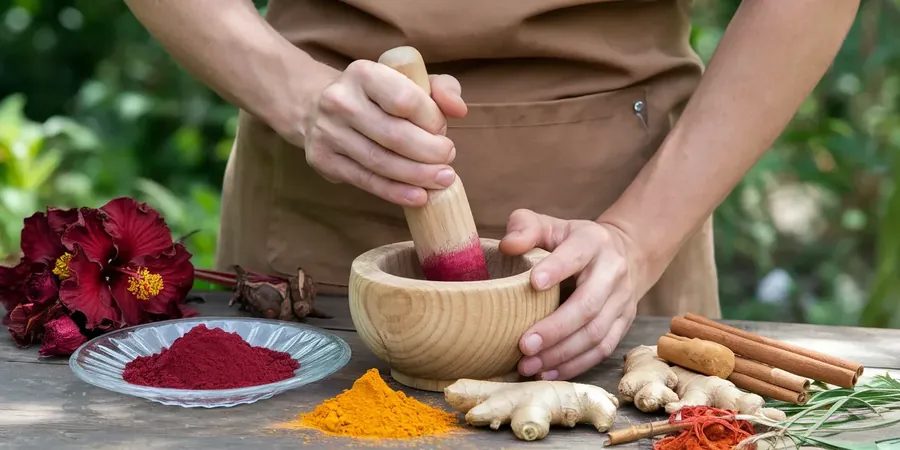
A blended tea is a warm, low-calorie drink. Its beet content is unknown, and it also contains herbs like hibiscus, which has its own research. Our beetroot ingredient page and the hibiscus page go into each one.
Never stop or change a blood pressure medicine because of a tea, a juice or any supplement. Talk with your healthcare professional first (AHA - Types of BP medications).
Bottom line
What is the takeaway on beet nitrate?
Beet nitrate is real chemistry with small, dose-dependent effects in short trials. Big glasses of juice drove those results. A blended tea with an unpublished beet amount is a different thing. Enjoy vegetables, track your readings, and keep your care team in the loop.
FAQ
Beet nitrate questions
Does beet juice lower blood pressure?
In short trials, beet juice trimmed systolic pressure by about 3.5 to 4.4 points on average, with bigger changes at about 500 mL a day. The effect on the bottom number was small. The studies were brief and small, so the result is modest and not a substitute for medical care.
How much beet juice did the studies use?
Many trials used between 70 and 500 mL of beet juice a day, giving roughly 316 to 860 mg of nitrate. The larger amount, about two cups, showed the biggest systolic change. That is far more beet than a blended tea can hold in about 2 grams of dry material.
Is there enough beetroot in Cardio Slim Tea to matter?
Nobody outside the maker can say, because the beetroot amount is not published. What we can say is that the whole daily share of a pouch is about 2 grams for 14 ingredients. That is a small fraction of the nitrate dose used in beet juice studies.
What is the difference between nitrate and nitric oxide?
Nitrate is a compound in food, while nitric oxide is a gas your body makes from it. Mouth bacteria turn nitrate into nitrite, and the body then turns some nitrite into nitric oxide. Nitric oxide helps artery walls relax, but it only lasts seconds.
Why does beet turn urine pink?
Pink or red urine after beets is called beeturia, and it comes from the plant's red pigment. It is common and usually harmless. If you see red urine and have not eaten beets, or it does not clear, call your doctor, since blood can look similar.
Can I take beet supplements with blood pressure medicine?
Ask your doctor or pharmacist first, because beet nitrate and blood pressure medicines both act on blood vessels. Together they could push readings lower than planned for some people. Check your readings at home and bring the numbers to your next visit.
Who wrote this
Written and reviewed by
Pages built from the pouch, the brand graphic, the sales page and linked NIH, FDA, FTC and peer-reviewed sources.
Last updated . Read our editorial standards and how we check reviews. This website is run by an authorized U.S. retailer, not by the manufacturer. We earn money when you buy through our order links.
Keep reading
More about Cardio Slim Tea

U.S. authorized Cardio Slim Tea retailer
Ready to try Cardio Slim Tea?
Check your medicines first, then pick a pack. Bigger packs cost less per pouch, and every order has the 60-day guarantee printed on the sales page.
- Secure checkout
- 60-day money-back
- Ships from the U.S.