Blog
Herbal tea and blood pressure medicines: what to ask your pharmacist
Herbal tea can matter if you take blood pressure medicine. Hibiscus may add to the effect of your pills, green tea sharply cut nadolol levels in one study, dandelion may interact with water pills, and ginseng may affect clotting. Bring the full ingredient list to your pharmacist, keep taking your medicine, and call 911 for a reading over 180/120 with symptoms.
Written by the Cardio Slim Tea reading deskUpdated · 8 min read

The question
Why should a tea drinker on blood pressure pills ask a pharmacist?
Because some herbs act on the same body systems your pills do. A tea can add to a drug, weaken it or change how it leaves your body.
Most people never mention tea at the pharmacy counter. Yet a blend sold with a blood pressure claim on the front is exactly the kind of product a pharmacist wants to hear about.
The American Heart Association says to talk with your healthcare professional before taking any supplement that claims to help blood pressure. It also warns that herbal remedies may interact with other drugs and can sometimes raise blood pressure (AHA - Types of BP medications).
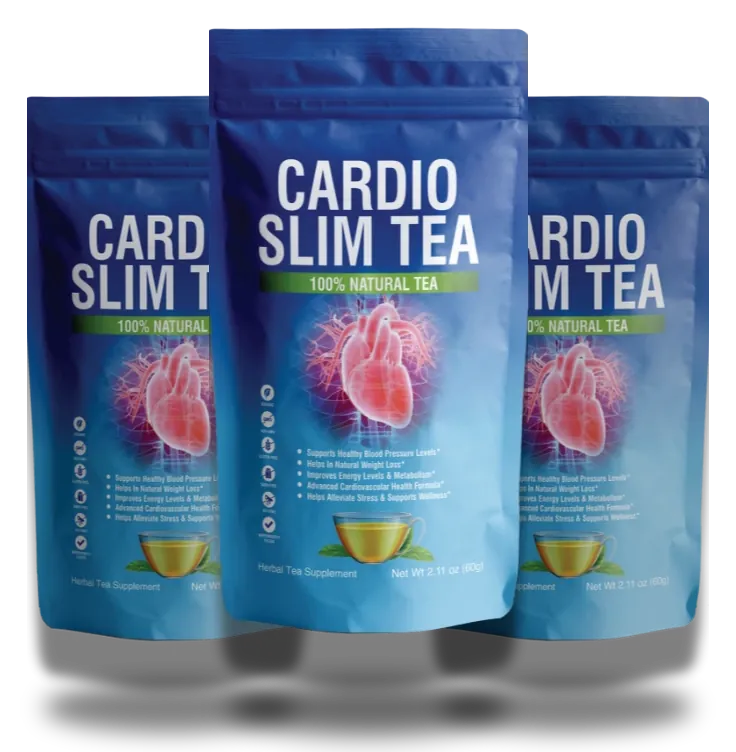
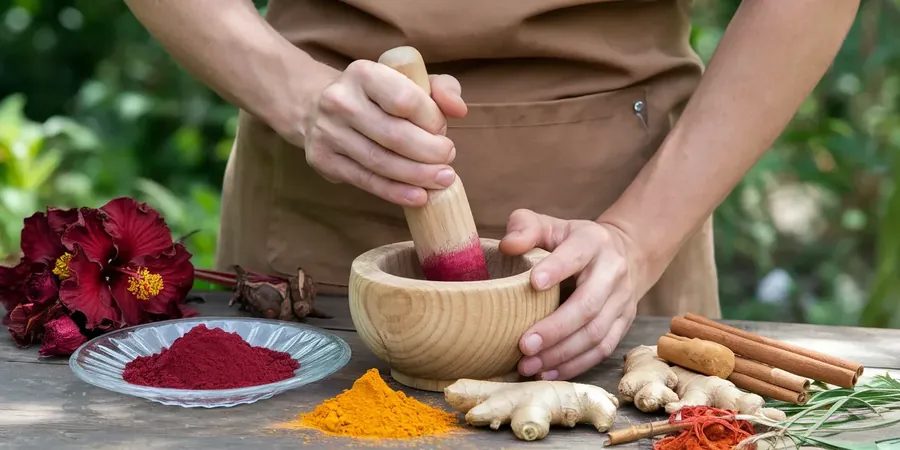
Cardio Slim Tea is one such blend. Its pouch says "Supports Healthy Blood Pressure Levels*". The seller names 14 ingredients but prints no amounts (Cardio Slim Tea sales page). Below are four of those herbs with the clearest links to heart and blood pressure drugs.
Hibiscus
Can hibiscus add to the effect of blood pressure medicine?
It might, and that is the reason to ask. Hibiscus is the herb with the most blood pressure research, and its effect in trials points the same way as your pills.
A 2015 review pooled 5 randomized trials with 390 people. Systolic pressure fell about 7.6 mmHg and diastolic about 3.5 mmHg with hibiscus (Serban 2015 - Hibiscus BP meta-analysis). A 2021 review of 17 trials found systolic pressure about 7.1 mmHg lower than placebo. The change was biggest in people who started with higher readings. In small head-to-head trials, hibiscus and blood pressure drugs differed only slightly (Ellis 2021 - Hibiscus BP meta-analysis).
Neither review measured what happens when hibiscus and a pill are taken together. That gap is the point. If two things each nudge pressure down, a pharmacist will want to know about both.
The trials varied widely, and no settled dose exists (Ellis 2021 - Hibiscus BP meta-analysis). The amount of hibiscus in Cardio Slim Tea is not published, so no one can say how close a cup comes to the study doses.
More detail is in our post on hibiscus tea and blood pressure.
Green tea
Does green tea interfere with nadolol?
In one study, yes, by a large amount. Ten healthy volunteers drank 700 mL of green tea a day for two weeks. Their peak nadolol levels dropped by about 85%, and the drug's effect on systolic pressure was weaker (Misaka 2014 - Green tea and nadolol).
Nadolol is a beta blocker used for high blood pressure. The study was small and used a lot of tea. Still, an 85% drop is hard to ignore.
The seller lists the green tea in Cardio Slim Tea as decaffeinated. Decaf does not answer the question, because the study points to the tea itself, not to caffeine. If nadolol is on your list, ask whether any green tea is wise.
Our green tea and oolong page covers the other cautions for these two leaves.
At a glance
Which herbs in the blend matter most for heart and blood pressure drugs?
Four herbs, four different concerns. Bring this list to the pharmacy counter.
| Herb | Medicines to mention | What the source says | Strength of evidence |
|---|---|---|---|
| Hibiscus | Any blood pressure pill | Reduced pressure in trials, close to drugs in small comparisons (Ellis 2021 - Hibiscus BP meta-analysis) | Several trials; no combined-use data |
| Green tea | Nadolol | Peak drug levels fell about 85% (Misaka 2014 - Green tea and nadolol) | One small study |
| Dandelion | Water pills (diuretics) | Might interact, in theory (NCCIH - Dandelion) | Theoretical |
| Korean ginseng | Blood thinners such as warfarin | May interfere with blood clotting (NCCIH - Asian Ginseng) | Federal health guidance |
The seller also names hawthorn, chamomile and others. Each has its own notes on our side effects page.
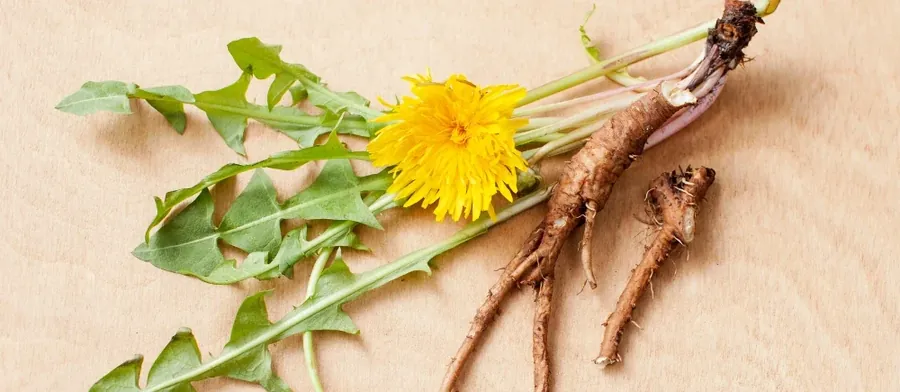
Dandelion
Is dandelion safe with water pills?
It may not be a good mix, so ask first. The NCCIH says dandelion might interact with water pills, also called diuretics, as well as diabetes drugs and blood thinners (NCCIH - Dandelion).
Water pills are common blood pressure drugs that help the kidneys pass salt and water. Dandelion has a folk reputation for something similar.
The NCCIH also says there is no compelling evidence for dandelion for any health condition, and food amounts are likely safe (NCCIH - Dandelion). People with a ragweed allergy may react to it.
Weight and blood pressure are linked, which is why many readers on these drugs are also working on their waistline. That is a good goal. Just let the slow habits and your care team set the pace, not a tea.

Cardio Slim Tea: from $49 a pouch60 g herbal tea · 2, 3 or 6 pouches · 60-day money-back guarantee
See packsGinseng
Can ginseng affect warfarin or other blood thinners?
Ginseng may interfere with blood clotting, according to the NCCIH (NCCIH - Asian Ginseng). That matters if you take warfarin or another blood thinner, since your dose is set to a narrow target.
Asian ginseng, which includes the Korean ginseng root named by the seller, may also lower blood sugar. Insomnia is its most common side effect (NCCIH - Asian Ginseng). Both are worth a mention if you take diabetes drugs or already sleep poorly.
If you take a blood thinner, ask your pharmacist or the clinic that checks your INR before adding any blend with ginseng in it.
At the counter
What should you ask your pharmacist about herbal tea?
Bring the pouch or a photo of it, plus your full medicine list. Then ask a few direct questions.
Does anything in this blend clash with my pills?
Read out all 14 herbs named by the seller, not just the six on the brand graphic.
Should I check my pressure more often?
If an herb could add to your medicine, home readings for the first few weeks show what is really happening.
Is timing important?
Some drugs are best kept apart from food and drink by a few hours. Your pharmacist knows which.
What signs should make me stop the tea?
Dizziness when you stand, unusual bruising or a racing heart are worth naming in advance.
The answers depend on your drugs and your health. The pouch shows no amounts or brewing directions that we can see, so follow the directions on your own pouch and let your pharmacist read the same list you do.

Safety first
When is a blood pressure reading an emergency?
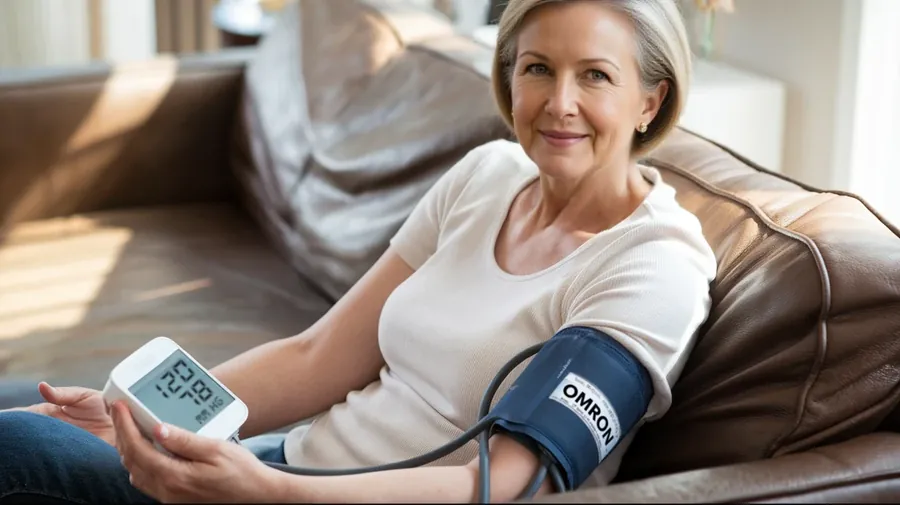
A reading above 180/120 is severe. With symptoms such as chest pain, shortness of breath, back pain, numbness, weakness, vision changes or trouble speaking, call 911 right away (AHA - Blood pressure readings).
Without symptoms, wait a minute and take it again. If it stays that high, contact your healthcare professional promptly (AHA - Blood pressure readings). Our blood pressure numbers guide explains every category.
Do not stop a blood pressure medicine, or change its dose or timing, without checking with your healthcare professional (AHA - Types of BP medications). Some sales stories describe people dropping their prescriptions. That is not safe, and no published study supports it.
FAQ
Herbal tea and blood pressure medicine: FAQ
Should I tell my pharmacist about herbal tea?
Yes, tell your pharmacist about any herbal tea you drink, especially one sold with a blood pressure claim. Some herbs act on the same systems as heart and blood pressure drugs. Bring the pouch so they can read every ingredient named on it.
Does green tea affect beta blockers?
Green tea sharply reduced levels of the beta blocker nadolol in a small study: peak levels fell about 85% after two weeks of 700 mL a day. Research on other beta blockers is limited, so ask your pharmacist about the one you take.
Can I drink herbal tea while taking warfarin?
Some herbal teas are a concern with warfarin. Ginseng may interfere with blood clotting, and dandelion and chamomile are also flagged with blood thinners. Ask the clinic that checks your INR before adding any herbal blend, and keep your usual testing schedule.
Is it safe to drink hibiscus tea with lisinopril or amlodipine?
No study we know of has tested hibiscus together with those drugs. Hibiscus reduced blood pressure in trials, so it could add to their effect. Ask your pharmacist, and check your pressure at home for a few weeks if you decide to drink it.
Can herbal tea make blood pressure medicine stop working?
In some cases it can weaken a drug. Green tea cut nadolol levels by about 85% in one study, and the drug's effect on systolic pressure dropped. The American Heart Association warns that herbal remedies can interact with medicines and sometimes raise blood pressure.
What blood pressure reading means call 911?
Call 911 if your reading is above 180/120 and you have symptoms such as chest pain, shortness of breath, back pain, numbness, weakness, vision changes or trouble speaking. Without symptoms, recheck after a minute and contact your healthcare professional if it stays that high.
Who wrote this
Written and reviewed by
Pages built from the pouch, the brand graphic, the sales page and linked NIH, FDA, FTC and peer-reviewed sources.
Last updated . Read our editorial standards and how we check reviews. This website is run by an authorized U.S. retailer, not by the manufacturer. We earn money when you buy through our order links.
Keep reading
More about Cardio Slim Tea
U.S. authorized Cardio Slim Tea retailer
Ready to try Cardio Slim Tea?
Check your medicines first, then pick a pack. Bigger packs cost less per pouch, and every order has the 60-day guarantee printed on the sales page.
- Secure checkout
- 60-day money-back
- Ships from the U.S.