Blog
Homocysteine Test Explained: What the Number Can and Cannot Tell You
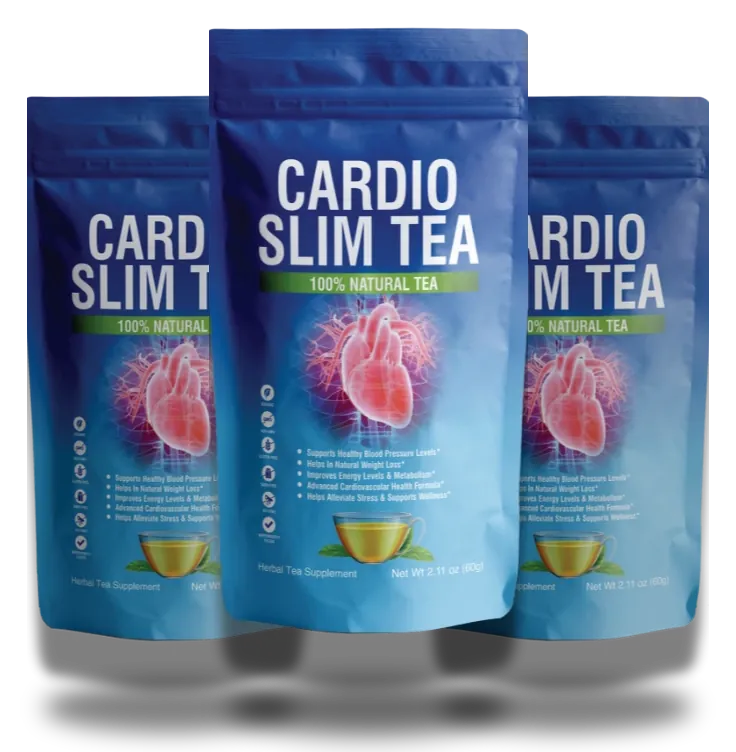
Homocysteine is an amino acid in your blood that rises when B vitamins run low or the kidneys slow down. Betaine, also called TMG, lowered it 12 to 20% at 1.5 to 6 grams a day (Olthof 2003 - Betaine and homocysteine). Yet in trials of 71,422 people, lowering homocysteine did not cut heart attacks (Cochrane - Homocysteine lowering and CVD). Cardio Slim Tea lists TMG but prints no amount.
Written by the Cardio Slim Tea reading deskUpdated · 8 min read
The basics
What is homocysteine?
Homocysteine is an amino acid your body makes while it processes protein. It is a normal, short-lived step, and a healthy body recycles it quickly.
Recycling homocysteine takes three B vitamins: folate, B12 and B6. A fourth helper is betaine, a compound found in beets, spinach and whole grains. When any of these run short, homocysteine can build up in the blood.
Kidney function matters too, since the kidneys help clear it. Age, smoking, low thyroid levels and some medicines can also push the number up. A small number of people have inherited gene changes that slow the recycling.
For years, researchers noticed that people with high homocysteine had more heart disease and stroke. That link made the number famous. The harder question came later: does pushing it down actually protect the heart?
Why it comes up
Why does the Cardio Slim Tea sales page bring up TMG?
The sales page names TMG, short for trimethylglycine, among its 14 ingredients and ties the formula to heart health (Cardio Slim Tea sales page). TMG is the supplement name for betaine, the homocysteine helper.
That makes a tidy marketing story. High homocysteine is linked to heart disease, betaine lowers homocysteine, so a tea with betaine sounds heart-friendly. Each link sounds reasonable. The chain as a whole does not hold up, for two reasons covered below.
- The betaine doses that moved homocysteine were measured in grams per day.
- Lowering homocysteine, even by a lot, did not prevent heart attacks in large trials.
- The seller prints no TMG amount, so no one can compare the tea to the studies.
Our TMG and homocysteine page looks at the ingredient itself. The full list of what the seller names sits on the ingredients page.
The research
Does betaine lower homocysteine?
Yes, at gram-level doses. In one well-run trial, healthy adults took betaine or a dummy powder for six weeks, and fasting homocysteine fell in step with the dose (Olthof 2003 - Betaine and homocysteine).
| Daily betaine | People per group | Fasting homocysteine vs placebo |
|---|---|---|
| 1.5 g | 19 | About 12% lower |
| 3 g | 19 | About 15% lower |
| 6 g | 19 | About 20% lower |
| Cardio Slim Tea | Not studied | TMG amount not published |
Now compare those doses with the cup. By our own math, one 60 g pouch sold as a month comes to about 2 grams of tea a day. That 2 grams holds all 14 named ingredients together. Even the lowest study dose, 1.5 g, would take up most of it.
So betaine works on homocysteine at a known dose. Whether a blended tea gets anywhere near that dose cannot be checked from the pouch. The trial also measured a blood number, not heart attacks or strokes (Olthof 2003 - Betaine and homocysteine).
The big test
Does lowering homocysteine prevent heart attacks?
No, according to the largest review of the question. A Cochrane review pooled 15 randomized trials that lowered homocysteine with B vitamins, and heart attacks did not go down (Cochrane - Homocysteine lowering and CVD).
People studied
Across 15 randomized trials of homocysteine-lowering vitamins.
Heart attack risk ratio
A ratio near 1 means no real difference between groups. Deaths from any cause also did not change.
Stroke, treated groups
Versus 5.1% in comparison groups, a small reduction in stroke.
The number fell, but the outcome people care about most did not move. That pattern shows up often in medicine. A blood marker can travel with a disease without causing it, so fixing the marker does not fix the disease.
These trials used B vitamins, not betaine. Betaine has no large heart-outcome trial of its own. A claim that TMG protects the heart is a guess built on a marker that already failed its biggest test.
Cardio Slim Tea: from $49 a pouch60 g herbal tea · 2, 3 or 6 pouches · 60-day money-back guarantee
See packsAt the clinic
When does a doctor order a homocysteine test?
Most people never need one. It is not part of a routine checkup, and heart groups do not use it to screen healthy adults.
Checking for low B12 or folate
A high result can support a diagnosis of vitamin shortage, along with other blood tests.
Looking for inherited conditions
Very high levels in a child or young adult can point to rare genetic disorders.
Working up unusual clots or strokes
Some doctors add it when a clot or stroke happens young or without a clear cause.
Following kidney disease
Levels often rise as kidney function falls, so it may appear in kidney care.
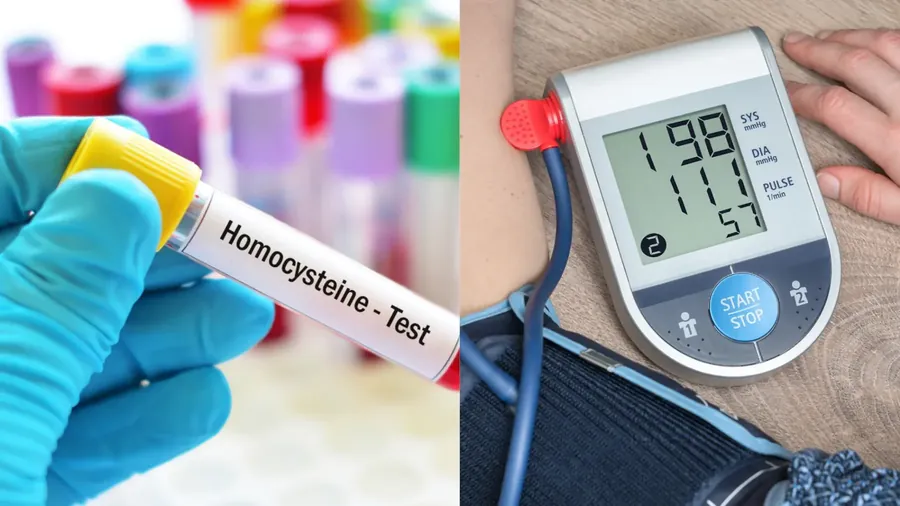
The test is a simple blood draw. Labs often ask you to fast first, so follow the instructions on your order. Mention any supplements you take, since some can shift the result.
Reading the result
What can raise a homocysteine result?
Many labs list a normal range of about 5 to 15 micromoles per liter, but each lab sets its own. Your report shows the range that applies.
| Low B vitamins | Folate, B12 or B6 shortage, often from diet, age or absorption problems |
|---|---|
| Kidney function | Weaker kidneys clear less homocysteine |
| Medicines | Some drugs affect B vitamin use; ask your pharmacist about yours |
| Lifestyle | Smoking and heavy drinking are linked to higher levels |
| Genes | Inherited changes in the recycling enzymes |
If a result is high, the next step is usually finding the cause, such as a B12 shortage. Treating that cause matters more than the number itself. Blood pressure, cholesterol, blood sugar and smoking remain the main levers for heart risk, as our blood pressure numbers guide explains.
Never stop or change a prescription because of a tea or a lab number. Talk with your healthcare professional first (AHA - Types of BP medications).
Bottom line
What is the takeaway on homocysteine and tea?
Homocysteine is a useful clue for vitamin and kidney problems. Betaine lowers it at gram doses, but lowering it did not prevent heart attacks. A tea with an unpublished TMG amount cannot promise heart protection. Ask your doctor whether the test fits your situation.
FAQ
Homocysteine test questions
What does a high homocysteine level mean?
A high homocysteine level usually means your body is short on folate, B12 or B6, or that your kidneys are clearing it slowly. It can also reflect smoking, some medicines or inherited gene changes. Your doctor reads it with other tests to find the cause.
Does TMG lower homocysteine?
Yes, TMG, also called betaine, lowered fasting homocysteine by about 12, 15 and 20% at 1.5, 3 and 6 grams a day in a six-week trial. That trial measured a blood number only. It did not show fewer heart attacks or strokes.
How much TMG is in Cardio Slim Tea?
The amount is not published. The sales page names TMG among 14 ingredients but shows no Supplement Facts panel or per-ingredient amounts. By our math, the whole daily share of a pouch is about 2 grams of tea for all the ingredients combined.
Should I get my homocysteine checked?
Most healthy adults do not need a homocysteine test, because it is not a routine screening test. Doctors order it for suspected B12 or folate shortage, rare inherited disorders, unusual clots or kidney disease. Ask your doctor if any of these apply to you.
Do I need to fast for a homocysteine test?
Many labs ask you to fast for about 8 to 12 hours before a homocysteine test, but rules vary. Follow the instructions on your lab order. Tell the lab about vitamins and supplements you take, since some can change the result.
Is homocysteine a better heart test than cholesterol?
No, homocysteine is not a better heart test than cholesterol. Large trials found that lowering homocysteine did not reduce heart attacks or deaths. Blood pressure, cholesterol, blood sugar and smoking status remain the main measures doctors use to judge heart risk.
Who wrote this
Written and reviewed by
Pages built from the pouch, the brand graphic, the sales page and linked NIH, FDA, FTC and peer-reviewed sources.
Last updated . Read our editorial standards and how we check reviews. This website is run by an authorized U.S. retailer, not by the manufacturer. We earn money when you buy through our order links.
Keep reading
More about Cardio Slim Tea


U.S. authorized Cardio Slim Tea retailer
Ready to try Cardio Slim Tea?
Check your medicines first, then pick a pack. Bigger packs cost less per pouch, and every order has the 60-day guarantee printed on the sales page.
- Secure checkout
- 60-day money-back
- Ships from the U.S.