Blog
How does Cardio Slim Tea work? Blood pressure, heart health and the homocysteine idea
Cardio Slim Tea is meant to work through herbs that were each studied alone: hibiscus and beetroot for blood vessels, tea for energy use, TMG for homocysteine. Hibiscus has the best data, about 7 points of systolic pressure. The finished tea has never been tested, and its amounts are not published.
Written by the Cardio Slim Tea reading deskMedically reviewed by Dr. Aimee Duffy, MD Family physician – integrative medicine founderReviewed · Updated · 9 min read
The big picture
How is Cardio Slim Tea supposed to work in the body?
The idea is simple. Put several plants in one cup, each with some research behind it, and hope the blend helps blood pressure, weight, energy, heart health and stress. Those are the five claims on the front of the pouch, and each one ends with an asterisk.
That asterisk points to a line saying the FDA has not evaluated the statement. Such wording is allowed for supplements when the disclaimer is printed beside it (21 CFR 101.93 - Structure/function claims). It describes a goal. It does not describe a tested result.
No published study has tested the finished tea. So the only honest way to explain how it works is herb by herb: what each one is thought to do, what the trials found, and how much of it a cup might hold.
At a glance
Key facts
- No study of the finished tea has been published. The research below is about single ingredients.
- Hibiscus: about 7 points off systolic pressure in pooled trials, with very mixed results.
- Beetroot: about 3.6 to 4.4 points in trials that used large amounts of juice.
- TMG (betaine) lowered homocysteine in gram doses, but lowering it has not cut heart attacks.
- The whole daily cup is only about 2 g, and that has to stretch across 14 named herbs.
- The sales page names 14 herbs while saying 15.
- The tea is not FDA approved. No dietary supplement is.
The best-studied herb
Does hibiscus tea help blood pressure?
A little, in pooled trials. Hibiscus gets its deep red color from plant pigments called anthocyanins. They may help blood vessels relax, and the plant may also act a bit like a mild water pill.
One review of 5 trials with 390 people found a fall of about 7.6 points in the top number and about 3.5 in the bottom number (Serban 2015 - Hibiscus BP meta-analysis). A newer review of 17 trials found about 7 points against placebo, with the largest drops in people who began with higher readings (Ellis 2021 - Hibiscus BP meta-analysis).
Two cautions apply. The trials differed a great deal from one to the next, and no best dose has been settled. Also, the trials mostly used plain hibiscus tea, not a 14-herb blend. People with normal readings should not expect much movement.
It is real but modest. In the DASH diet trial, people with high blood pressure who changed how they ate saw their readings fall by about 11 points in 8 weeks (Appel 1997 - DASH trial). Food habits did more than any one herb.
The nitrate story
How might beetroot help blood vessels?
Beets are rich in nitrate. The body turns some nitrate into nitric oxide, a gas that helps the walls of blood vessels relax and widen. That is the whole mechanism, and it is a well-known one.
Pooling 16 small trials, one team saw nitrate or beet juice trim systolic pressure by about 4.4 points, with bigger doses doing more (Siervo 2013 - Nitrate/beetroot BP). A review of 22 trials found about 3.6 points, with the best results at 500 mL of juice a day (Bahadoran 2017 - Beetroot juice BP). Those trials used roughly 316 to 860 mg of nitrate a day.
Juice by the glass carries far more beet than a pinch of powder that shares the cup with 13 other herbs. The beet share of this tea is not published, so any nitrate effect from one cup is probably small.
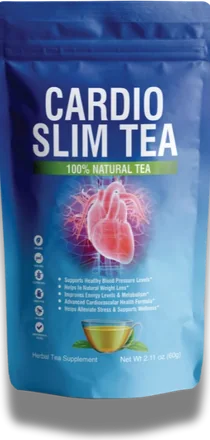
If you want to try a warm herbal cup with a written 60-day guarantee, the checkout shows each pack and the final total before you pay.Prices and the 60-day guarantee are shown at checkout. We earn money when you buy through our order links.
See today's price and guaranteeThe size of a cup
Could one cup of Cardio Slim Tea hold a study dose?
Probably not. This is the heart of the matter, and it is plain arithmetic. Take a 60 g pouch that is sold as one month. That leaves about 2 g a day, and the 2 g has to cover all 14 herbs at once. Split evenly, each would get about 0.14 g, though the real split is not published.
| Ingredient | Used in research | Versus about 2 g for the whole tea |
|---|---|---|
| Ginger | 3 g a day or more in trials that showed an effect | The whole tea is about two-thirds of that |
| TMG (betaine) | 1.5-6 g a day | Even all 2 g would only just pass the lowest dose |
| Oolong | 8 g a day in one uncontrolled 6-week study | The whole tea is about a quarter of that |
| Beetroot | 500 mL of juice a day, or 316-860 mg of nitrate | Different units, and far apart |
| Hibiscus | Hibiscus tea in trials, no settled dose | Share in the tea is not published |
None of this proves the tea does nothing. It does mean the trial results cannot simply be carried over to a cup of this blend. Without a Supplement Facts panel, nobody outside the maker knows the real split.
The marker
What is the homocysteine idea behind Cardio Slim Tea?
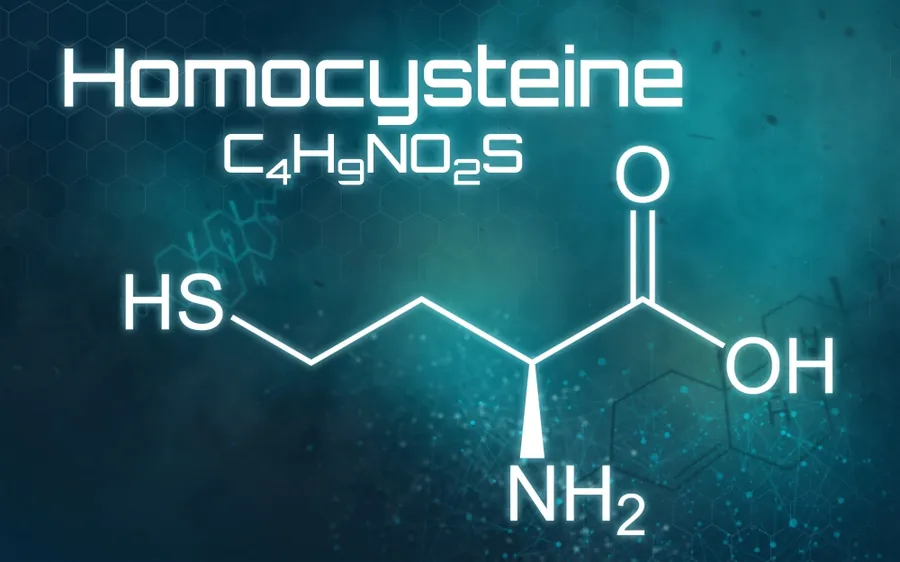
Your body makes homocysteine, an amino acid, when it breaks down protein. Normally it is recycled quickly. When recycling slows, it can build up in the blood, and high levels have been linked to heart disease in population studies. TMG is a compound sold to lower it.
A Dutch trial from 2003 gave healthy adults 1.5, 3 or 6 g of betaine daily for six weeks. Fasting homocysteine ended up 12, 15 and 20 percent lower than on placebo (Olthof 2003 - Betaine and homocysteine). The trial measured the marker only. It did not track heart attacks, blood pressure or weight.
The bigger question is whether lowering the number helps the heart. A Cochrane review pooled 15 trials with 71,422 people who took B vitamins to lower homocysteine. It found no drop in heart attacks and none in deaths from any cause (Cochrane - Homocysteine lowering and CVD). Those trials used B vitamins, not betaine, but they tested the same idea.
Moving a lab number does not always change what happens to the heart. Even a full study dose of TMG would lower a marker that has not been proven to be a useful target. A cup of this tea is very unlikely to hold that dose.
For more about the blood test itself, read our post on the homocysteine test.
The rest of the cup
What do the other herbs add?
Mostly taste, comfort and small effects. Green tea gave only about 1 point off blood pressure in 24 trials (Xu 2020 - Green tea BP meta-analysis). Catechin-and-caffeine mixes lifted daily energy use by roughly 4.7 percent, about 100 calories, yet caffeine on its own came close (Hursel 2011 - Tea catechins and energy use). Chamomile is a calming tea, but we found no blood pressure or weight data for it.
Ginger, lemongrass, cinnamon, grape seed, curcumin and Korean ginseng each have their own stories. For the pouch claims on blood pressure and heart health, none has more than mixed or preliminary support at tea amounts. Our full ingredients guide goes through the list.
The honest reading is that one herb, hibiscus, carries most of the blood pressure case. The rest of the blend may make a pleasant drink, with an unknown extra.
What works better
What has stronger evidence for blood pressure and heart health?
Everyday habits do. The DASH eating plan, less sodium, a healthy weight, regular activity, limited alcohol and 7 to 9 hours of sleep are all on the list that the NHLBI gives for high blood pressure (NHLBI - High BP treatment). Many people also need medicine, often two or more kinds.
A tea can sit beside those habits. It cannot stand in for them. Hibiscus, beetroot, dandelion and hawthorn can pile onto blood pressure and heart medicine, so take the herb list to your doctor or pharmacist first. Keep taking prescribed medicine, and never stop one because of a tea.
Learn your own numbers too. Our blood pressure numbers guide explains the AHA categories. If a reading passes 180/120 and you also have chest pain, weakness or trouble speaking, treat it as an emergency and dial 911.
FAQ
Frequently asked questions
How does Cardio Slim Tea work?
It is meant to work through herbs that were each studied alone, mainly hibiscus and beetroot for blood vessels, tea for energy use and TMG for homocysteine. No study has tested the finished tea, and its ingredient amounts are not published.
Does Cardio Slim Tea lower blood pressure?
Nobody knows, because the finished tea has not been tested. Hibiscus on its own took about 7 points off systolic pressure in pooled trials. The amount of hibiscus in this tea is not published. It is not a treatment for high blood pressure.
Is Cardio Slim Tea good for heart health?
There is no direct evidence that it protects the heart. Large trials found that lowering homocysteine, the job TMG is sold for, did not prevent heart attacks, and hawthorn research is conflicting. Proven steps are diet, activity, sleep and prescribed medicine.
What does TMG do in Cardio Slim Tea?
TMG, or betaine, is sold to lower homocysteine. In a 2003 trial, 1.5 to 6 g a day did that. A cup of this tea is unlikely to hold such an amount, since the whole daily tea is about 2 g shared by 14 herbs.
Why does the amount of each herb matter?
Trials saw effects at fixed amounts, for example 3 g of ginger or a tall glass of beet juice. A small share of a 2 g daily cup is likely far below those doses, so study results cannot be assumed for the tea.
Can I drink Cardio Slim Tea with blood pressure medicine?
Ask your doctor or pharmacist first. Hibiscus, beetroot, dandelion and hawthorn can stack with blood pressure and heart drugs. Green tea cut nadolol levels in one small study. Never stop a prescribed medicine because of a tea.
Bottom line
Our view
Our view is that the science behind each herb is real, and the leap to the finished tea is not made. Hibiscus gives the best reason for hope. The rest of the blend is a pleasant unknown.
If you like the idea, treat the tea as a small habit beside the steps that carry real evidence. Keep a log, keep taking any prescribed medicine and let your doctor judge the numbers.
Cardio Slim Tea is not FDA approved, and no supplement is. It does not treat high blood pressure, heart disease or any other disease. Send medical questions to your own doctor or pharmacist, and call 911 for emergency signs such as chest pain.
Last updated
Cardio Slim Tea is a herbal tea with a written 60-day guarantee, and the checkout shows the packs and the final total before you decide.Prices and the 60-day guarantee are shown at checkout. We earn money when you buy through our order links.
See today's price and guaranteeLast updated . Read our editorial standards and how we check reviews. This website is run by an authorized U.S. retailer, not by the manufacturer. We earn money when you buy through our order links.